







Search Results for: a sip

Espresso Coffee Tasting | What's the Etiquette for Drinking Espresso? What Techniques Are There for Tasting Espresso?
On various social platforms, we often come across scenes like this: a coffee enthusiast tilts their head back and downs a cup of espresso in one gulp, then after a brief frown, reveals an expression of intoxication as if they have tasted the most exquisite delicacy in the world. Many friends are infected by the enthusiast's emotions in the video, so after going to a café they will [more…]
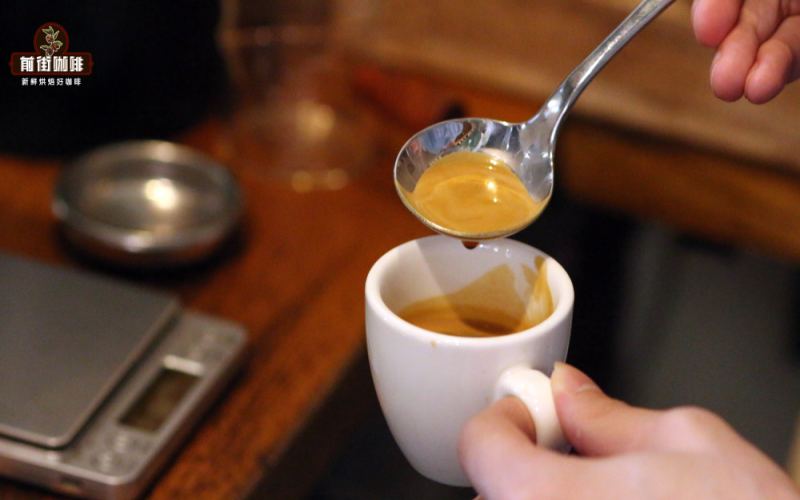
Espresso Flavor Characteristics | Is the crema on espresso actually coffee oil? What are the steps for making espresso? How do you drink espresso?
Espresso originated in Italy, derived from the Italian word "Express," meaning "pressed out, squeezed out." Through the pressure of steam in the boiler of an Italian coffee machine, water is forced through a layer of extremely finely ground and manually tamped coffee grounds, extracting a highly concentrated coffee liquid. Because of this [more…]

How to Make Espresso | How Is Espresso Made? What Flavor Characteristics Do Italian Coffees Have? What Is the Correct Way to Drink Espresso?
For more specialty coffee knowledge, please follow our WeChat official account: Front Street Coffee (FrontStreet Coffee). Espresso originated in Italy, derived from the Italian word "Express," meaning "pressed out, pushed out." Through the boiler of an Italian coffee machine [more…]
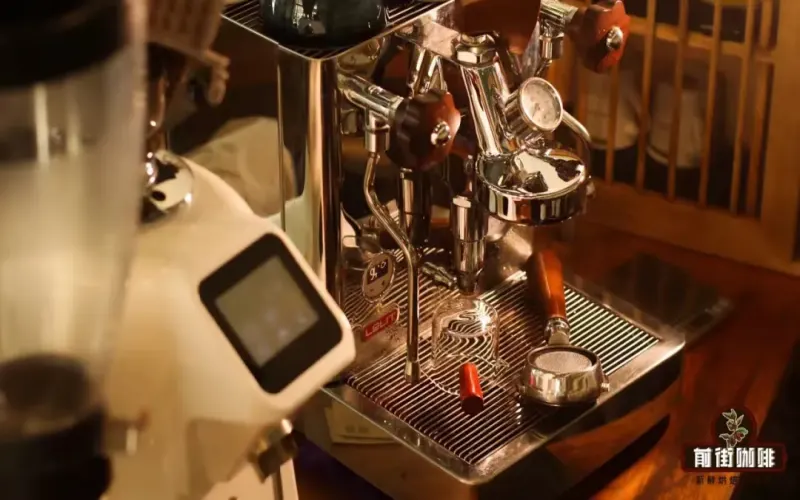
The Origin of Espresso | How Do You Drink Espresso? How Do Espresso and Americano Black Coffee Differ in Flavor and Mouthfeel?
For more specialty coffee knowledge, please follow our WeChat official account: Front Street Coffee (FrontStreet Coffee). Many people walk into a café, see a very small cup of black coffee with a golden layer of foam floating on top, and out of curiosity order one themselves, only to discover that this stuff actually tastes [more…]
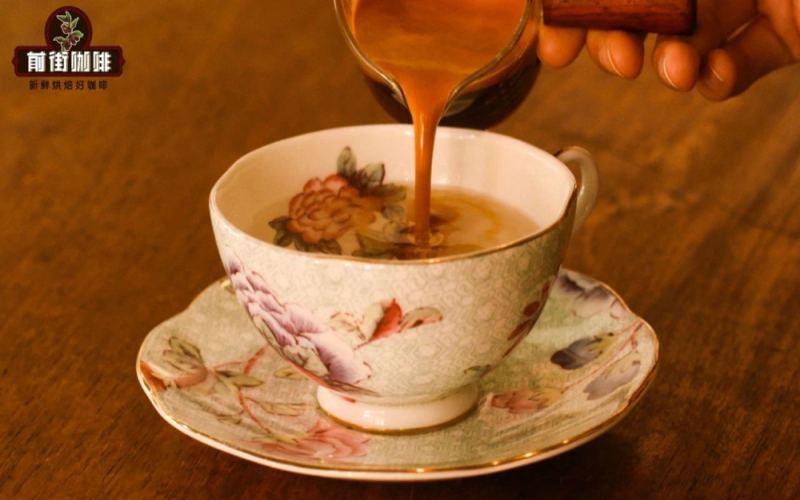
Espresso Flavor Characteristics | How Many Parts Make Up an Italian Coffee? What Is the Difference Between Espresso and Americano? How Do You Drink Espresso?
Anyone who has made espresso at home probably knows that espresso is the foundation of almost all fancy coffee drinks. For example, the ones we're most familiar with—latte, cappuccino, and flat white—are all made from espresso plus fresh milk, while Americano is simply espresso combined with water (or iced water). Because nothing else is added, [more…]
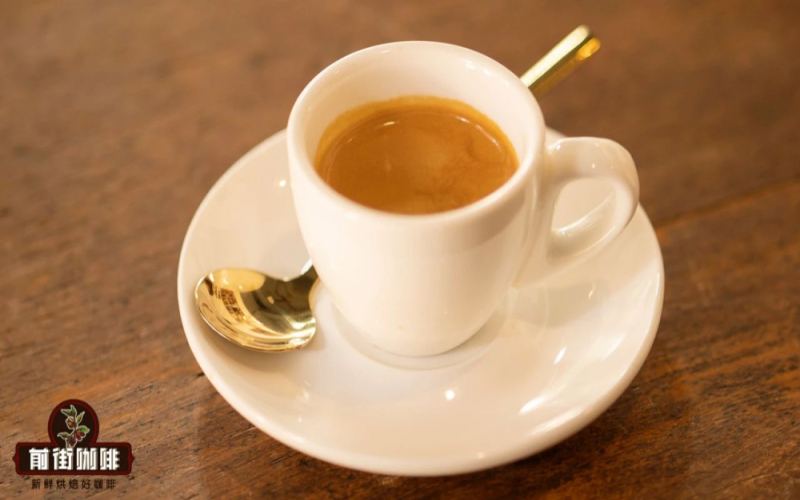
Espresso Complete Guide: Definition, Extraction Process, Suitable Coffee Beans, and Tasting Methods
Espresso is the core of the Italian coffee system and the base for many drinks such as lattes and cappuccinos. Starting from the origin and definition of espresso, this article systematically explains its flavor characteristics and three-layer structure (crema, body, heart), and provides the extraction parameter ranges under SCA standards along with Front Street Coffee's actual in-store serving plan. It also introduces the flavor performance of Front Street's "Sunflower Warm Sun Espresso Beans" and the classic espresso blend, as well as the correct steps for tasting espresso and the recommended ratios for lattes and Americanos, helping coffee lovers fully understand and make a delicious cup of espresso. [more…]
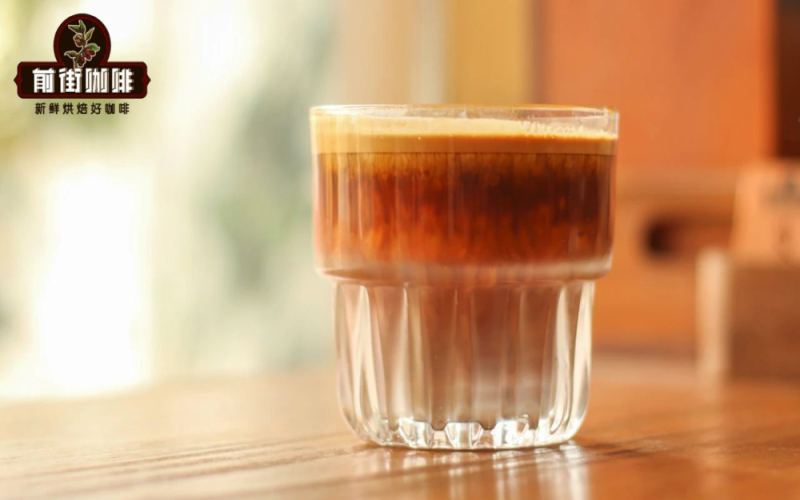
How big is a Dirty? | What is a dirty coffee? Where does dirty coffee come from? What's the difference between a dirty coffee, a latte, a flat white, and a cappuccino?
For those who love milk coffee, Dirty is certainly no stranger. Although Front Street Coffee hasn't listed "Dirty" on its menu, many in-the-know friends will actively order this drink after entering the shop. After all, it has long been popular nationwide and has even become a signature item for many coffee shops. Facing the first sip, [more…]
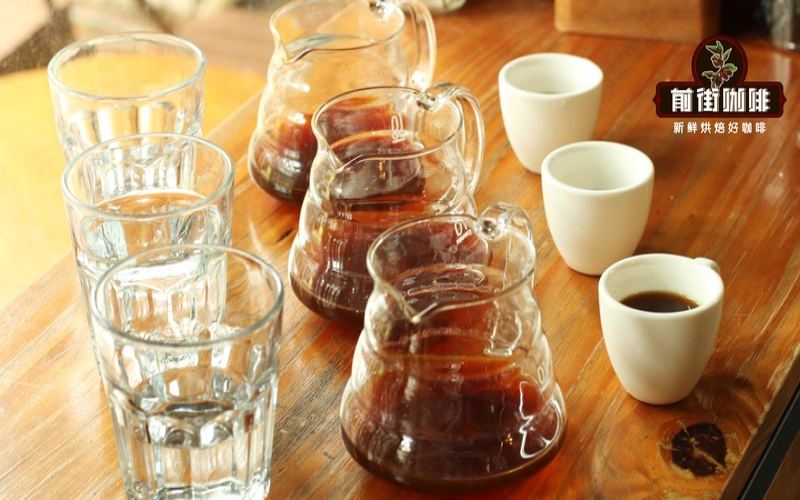
Light-roast pour-over beans: how the flavor changes from opening the bag to the last sip
The charm of light-roast coffee beans often unfolds between floral notes, fruity acidity, and a tea-like quality, but it is not a state you reach the moment you open the bag. After roasting, the beans continue to release carbon dioxide, and their aroma, acidity, and sweetness also shift over time. When buying beans, in addition to looking at the flavor description, you should also pay attention to the roast date and allow for a suitable resting period. [more…]
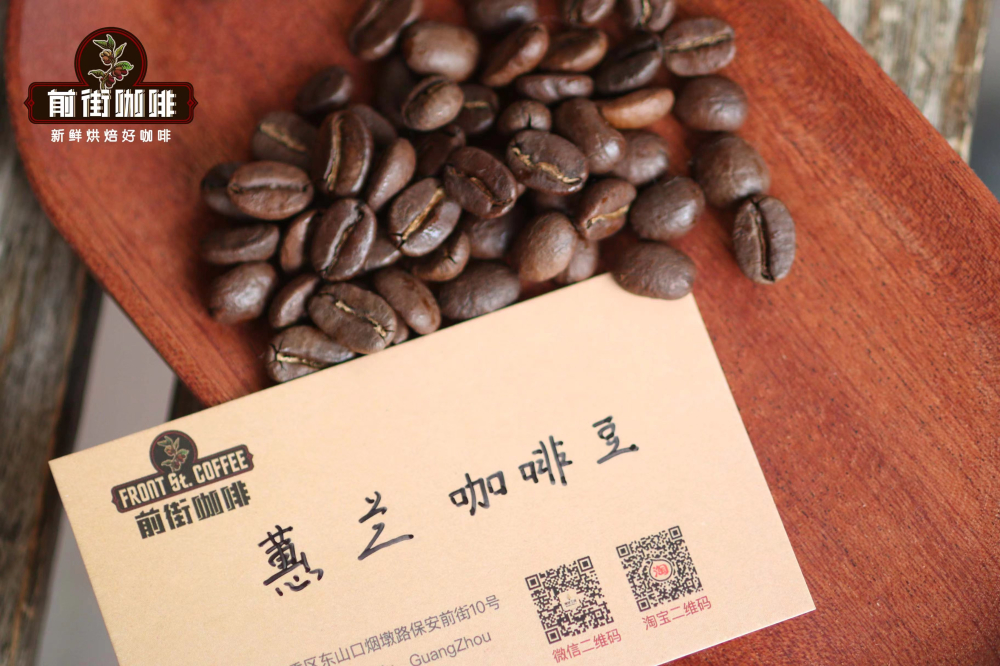
High-end coffee beans as gifts | Which specialty pour-over beans do experienced coffee enthusiasts repurchase? Recommendations for high-value pour-over coffee bean brands suitable for beginners
1. Front Street Huakui coffee bean origin: Sidamo Hambela Buku Abel processing station, altitude: 2250-2350m, variety: Heirloom, processing method: natural, brewing flavor: a rich passion fruit-like acidity on the palate, a slight fruity fermentation aroma, strawberry-like sweet and tart notes, [more…]
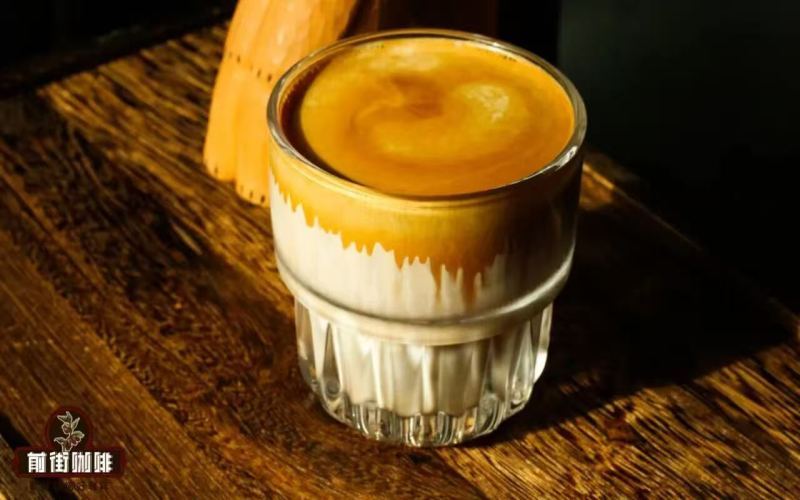
How to Make a Delicious Dirty: The Trio of Bean Selection, Milk, and Temperature
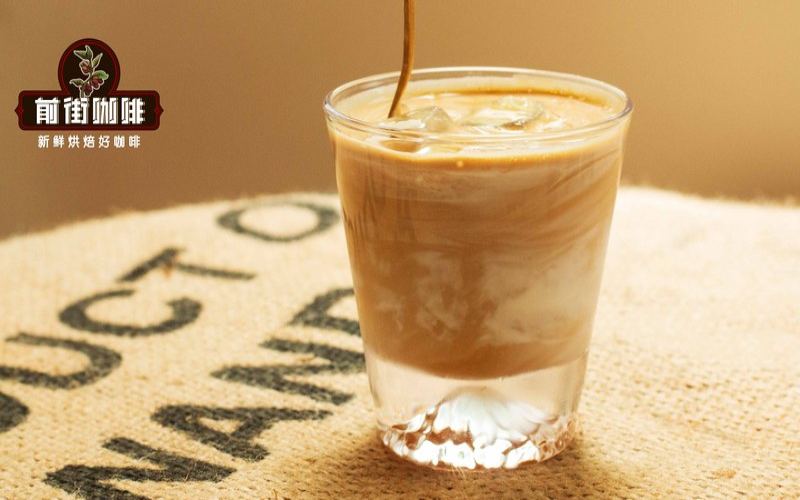
Dirty (dirty coffee) has been a perennial staple on café menus in recent years: hot espresso slowly sinks into iced milk, without stirring, and you drink it from top to bottom, so that in a single sip you get the alternation of hot and cold and the layering of milk and coffee. It looks simple, but between a delicious one and a mediocre one lies the gap of bean selection and details. The principle of Dirty: why [more…]
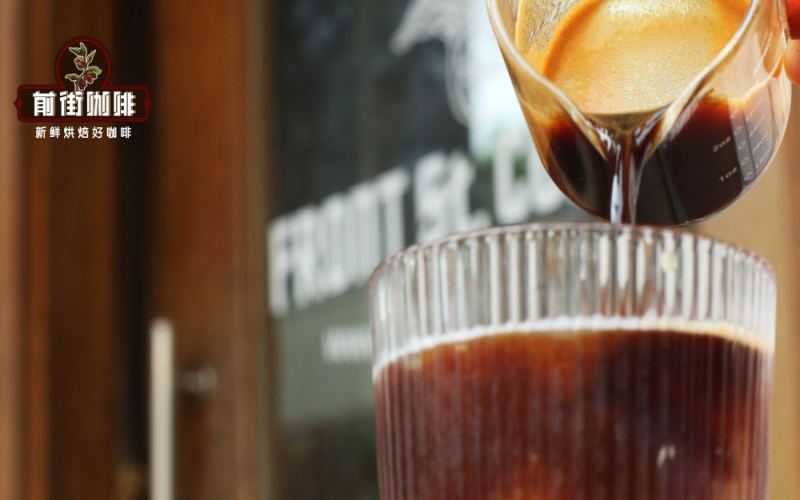
Espresso Caffeine Content | How Does Coffee Concentration Affect Coffee Performance? What Are the Taste Characteristics of a Standard Espresso?
For more specialty coffee knowledge, please follow our WeChat official account: Front Street Coffee (FrontStreet Coffee). The biggest characteristic of espresso is—it's strong! Most espresso has a concentration ranging from 7% to 12%, meaning its water content is 88%-93%. Drip [more…]
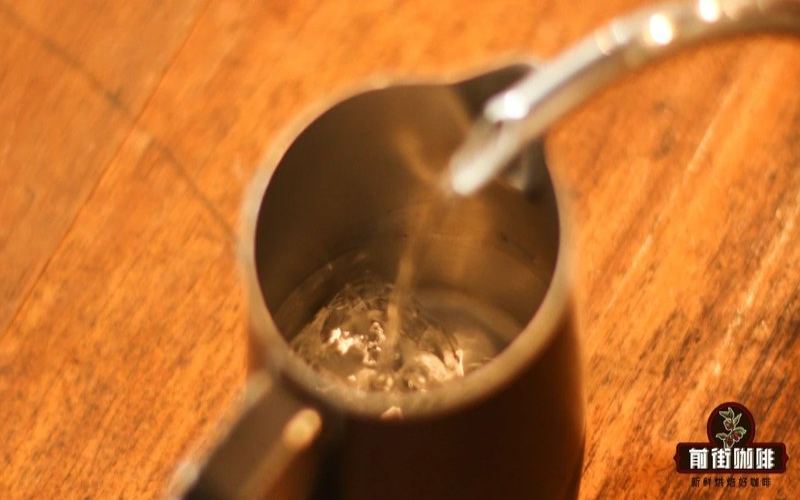
The Flavor Window of Moka Pot Latte: How to Plan from Opening to the Last Sip
When making a latte with a moka pot, the condition of the coffee beans directly affects the aroma and sweetness in the milk. If used too early, the cup may have a noticeable roasty note, and the brew can easily carry a restless acidity; if left too long, the aroma gradually weakens, and the coffee's backbone also declines. When choosing beans, besides looking at the flavor description, also pay attention to the roast [more…]
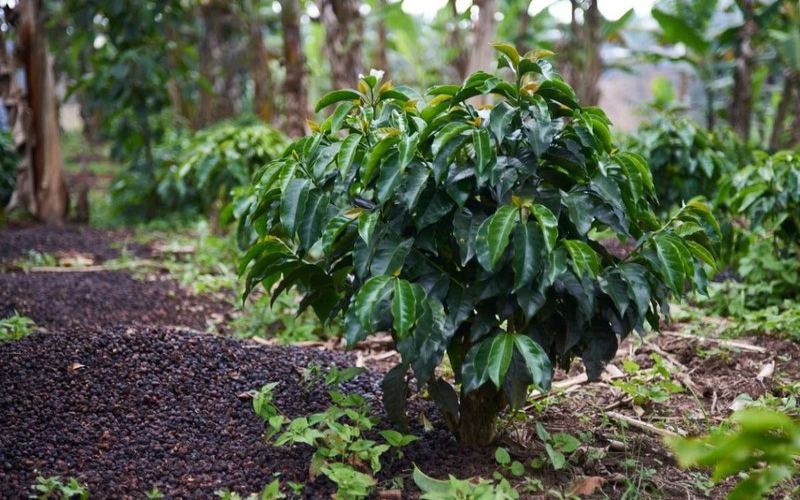
Light roast floral beans: roast level determines floral and fruity expression
The charm of light-roasted floral coffee beans often begins the moment you open the bag: aromas of petals, citrus, berries, or tropical fruit reach your nose first, while the sip brings bright acidity and sweetness. When choosing by roast level, don't just fixate on the words "light roast"—also note whether it sits at the early stage of light roasting, a standard light roast, or has already edged toward [more…]
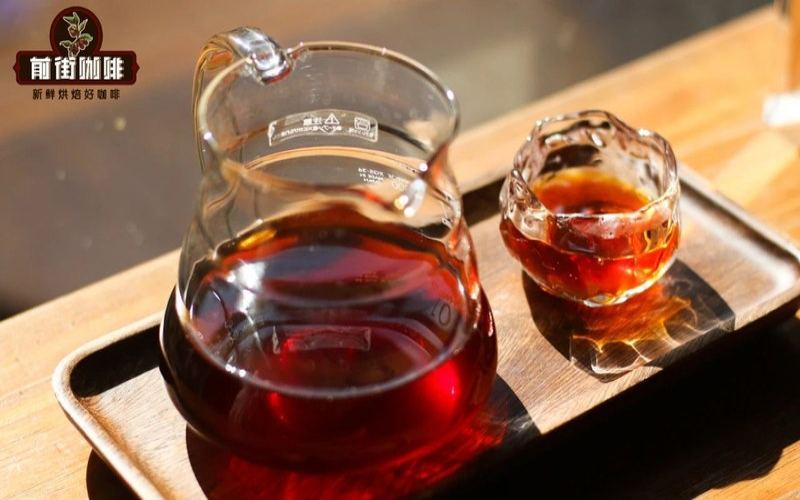
Choosing Hand-Ground Coffee Beans by Roast Level: From Bright Fruit to Rich Cocoa
How to choose coffee beans for hand grinding—you can start with the roast level. It doesn't just determine the depth of color; it also affects the direction of aroma, the balance of acidity and sweetness, the body, and the brewing method suited to the ground coffee. Those who enjoy a bright, fruity flavor are usually more receptive to a light roast; if you want rounded sweetness that works both hot and iced, pay attention to a medium roast; if you lean [more…]

Lungo Coffee Brewing Ratio | Long Black: What's the Difference Between a Lungo, Long Black, and Americano?
In the espresso family, Americano, Latte, and Cappuccino can be considered the "big shots of the espresso world." In recent years, Lungo and Long Black have also gradually become active in the espresso family circle, and people often confuse them with Americano... What exactly are they? And how do they differ from Americano [more…]
Medium-roast pour-over beans recommendation: choose flavors along the roast level
Medium-roast coffee beans are not an option with just a single flavor. As the roast goes lighter, the cup retains clearer floral notes, fruity acidity, and a tea-like quality; as it goes darker, it gains caramel sweetness, nuttiness, and more body. Using roast level as a filter lets you first determine the general character of a cup of coffee before looking at origin and flavor description. [more…]
How to Properly Taste Espresso | Where Does Italian Coffee Come From? What Is the Authentic Italian Espresso Standard Method and Principle?
For more specialty coffee knowledge, please follow: Front Street Coffee (Frontsteet Coffee). The earliest method of making Espresso was born in 1884, when an Italian named Angelo Moriondo designed a machine that obtained [more…]

Introduction to Espresso | What is the English definition of Italian espresso? How do you drink Italian espresso coffee?
In the espresso coffee system, there exists a soul core, and that is espresso. Drinks like lattes, Americanos, and cappuccinos are all espresso-based coffee beverages made with espresso as the foundation. Next, Front Street Coffee will introduce you to espresso. What is espresso? [more…]
The correct way to drink espresso | How much coffee powder is used to make an espresso? How do you determine the grind setting for espresso beans?
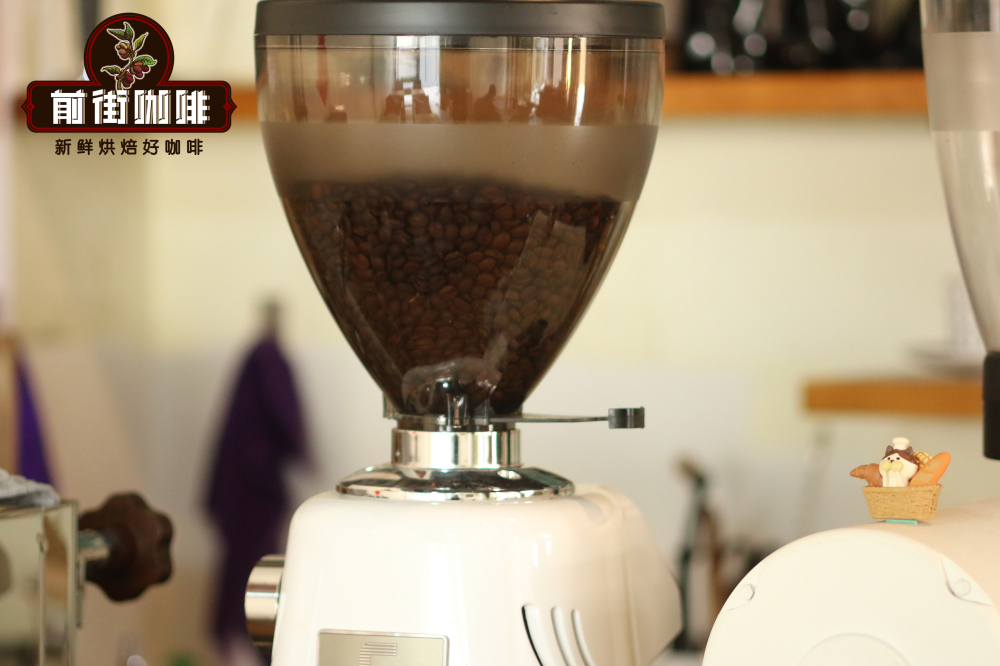
When brewing coffee, we all know that the coarseness of the grind is very important. If you're not careful and don't find the right grind setting, or if the grind is uneven, the coffee can easily end up under-extracted or over-extracted. Compared with methods like pour-over and cold brew, espresso grounds are ground much finer and require more precise adjustment to get the taste of the espresso just right. [more…]

Espresso Black Coffee | Where Does the Aroma of Espresso Come From? What Is Espresso Made Of? How Do You Make Espresso?
For more specialty coffee knowledge, please follow: Front Street Coffee (Frontsteet Coffee) Thick surface, golden crema, strong and full-bodied with a strong sweet aftertaste. As the carbon dioxide in the crema is released, the alluring volatile aromatic compounds follow along. Espresso es [more…]